


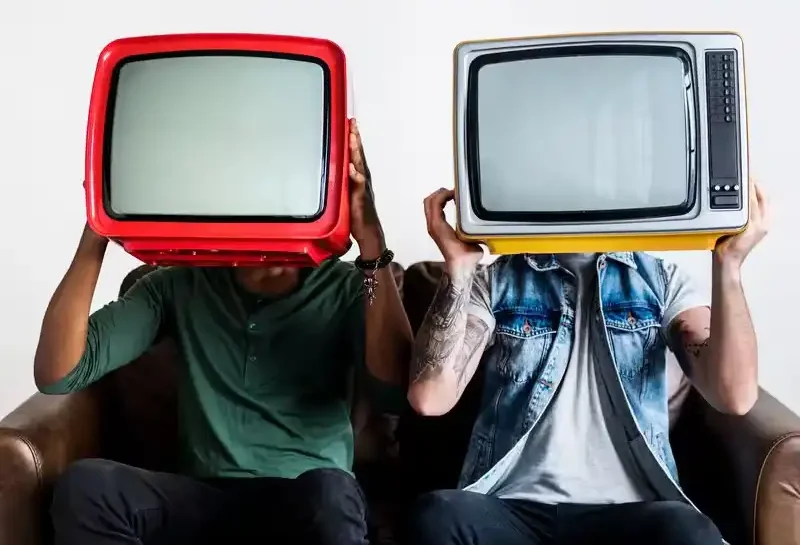
Television has experienced one of the most significant transformations in modern entertainment history. What was once considered a medium primarily designed for episodic entertainment has evolved into a platform for complex storytelling, cinematic production, and artistic experimentation. The rise of prestige TV has changed not only how series are produced but also how audiences consume them. Viewers now expect deeper narratives, sophisticated characters, and visual quality that rivals major films. Streaming platforms, awards recognition, and global distribution have accelerated this shift. As a result, television has become a central part of cultural conversations, influencing viewing habits, critical discussions, and entertainment industries worldwide.
The Emergence of Prestige TV as a Cultural Phenomenon
Prestige TV refers to high-quality television series that emphasize strong writing, complex characters, artistic direction, and ambitious storytelling. The concept began gaining attention in the late twentieth century as networks invested in original programming that challenged traditional television formats. These productions treated television as an art form rather than simply a source of weekly entertainment.
Audiences gradually began viewing television differently. Series became events rather than background viewing experiences. Critics, journalists, and award organizations started analyzing television with the same seriousness previously reserved for cinema and literature. This cultural shift elevated television’s status and encouraged networks to pursue more ambitious projects. The success of prestige programming demonstrated that audiences desired thoughtful and emotionally engaging stories.
From Weekly Episodes to Long-Form Narrative Experiences
Traditional television often relied on self-contained episodes that allowed viewers to watch programs without following long story arcs. Prestige TV introduced serialized storytelling that rewarded consistent viewing. Characters developed gradually across multiple seasons, and plotlines unfolded over extended periods.
This long-form structure encouraged audiences to become emotionally invested in stories and characters. Missing episodes could create confusion because narratives often depended on previous events. As a result, viewers changed their habits by committing to entire seasons rather than occasional episodes. Television became a continuous experience that demanded attention, memory, and engagement. This transition fundamentally changed how people organize their viewing time.
Why Audiences Began Expecting Higher Production Standards
Prestige TV raised expectations for nearly every aspect of television production. Audiences became accustomed to cinematic quality and sophisticated storytelling.
Cinematic Visuals and Production Design
Modern prestige series often feature advanced cinematography, elaborate sets, and detailed production design. Lighting, costumes, locations, and visual effects contribute to immersive experiences that rival major films. Viewers now expect television to deliver strong visual storytelling.
Complex Characters and Moral Ambiguity
Prestige television introduced characters with flaws, contradictions, and difficult choices. Heroes and villains became less predictable. Audiences embraced morally ambiguous characters because they reflected real human experiences. This complexity encouraged deeper emotional connections.
Expanded Creative Freedom for Writers
Writers gained greater flexibility to explore difficult themes, slower pacing, and unconventional structures. Creative teams could develop stories without relying solely on traditional formulas. This freedom produced more diverse and innovative television experiences.
The Influence of Streaming Platforms on Viewing Habits
Streaming services dramatically accelerated the growth of prestige TV. Digital platforms removed many scheduling limitations associated with traditional broadcasting. Viewers gained the ability to watch programs whenever and wherever they wanted. Entire seasons could be released simultaneously, giving audiences complete control over viewing schedules.
Streaming also increased access to international productions and niche content. Audiences were no longer limited to local programming schedules. Algorithms introduced viewers to new series based on preferences, encouraging exploration of unfamiliar genres and cultures. This accessibility expanded the audience for prestige television and created a more competitive entertainment environment.
How Binge-Watching Changed Audience Engagement
Binge-watching became one of the defining behaviors of the prestige TV era. Watching multiple episodes consecutively allows viewers to remain immersed in storylines and character development. The emotional impact of long-form storytelling often becomes stronger when episodes are consumed together.
This viewing style changed audience expectations. Many viewers now prefer complete seasons over weekly releases. Discussions often focus on entire seasons rather than individual episodes. However, binge-watching also creates challenges. Conversations may become fragmented because viewers progress at different speeds. Spoilers and social media discussions can affect viewing experiences. Despite these challenges, binge-watching has become a dominant method of consuming prestige television.
The Growing Importance of Limited Series and Event Television
Limited series have become increasingly popular within prestige TV. These productions tell complete stories within a single season or a small number of episodes. The format attracts talented writers, directors, and actors who may not wish to commit to long-running series.
Event television creates anticipation and encourages shared viewing experiences. Audiences often view these productions as cultural events rather than ordinary programs. Limited series also allow creators to maintain tighter narratives and avoid unnecessary extensions. Their success demonstrates that audiences value quality and focused storytelling over long episode counts.
Awards Recognition and the Rise of Television Prestige
Awards organizations have played an important role in legitimizing prestige television. Recognition from critics and industry institutions increases visibility and encourages investment in ambitious projects. Award-winning series often attract larger audiences and generate extensive media coverage.
Television festivals and industry events now devote significant attention to serialized storytelling. Writers, actors, and directors receive recognition similar to that found within the film industry. This increased prestige attracts top creative talent to television projects. The distinction between film and television has become increasingly blurred as both industries compete for audiences and artistic recognition.
The Role of Online Communities and Digital Discussions
Prestige TV thrives in digital environments where audiences analyze and discuss episodes. Social media platforms, online forums, podcasts, and review websites allow viewers to share interpretations and theories. These conversations often continue between episodes or seasons.
Digital communities enhance audience engagement by encouraging analysis and debate. Viewers examine symbolism, character motivations, and hidden details. Fan discussions can influence cultural conversations and increase a series’ popularity. The social aspect of viewing has expanded beyond living rooms into global online communities. Television consumption has become both an individual and collective experience.
How Prestige TV Changed Storytelling Expectations
Prestige television established new standards for narrative complexity and audience involvement.
Multi-Season Character Development
Characters now evolve gradually over multiple seasons. Their decisions, relationships, and experiences create long-term emotional investment. Viewers expect realistic development and meaningful consequences.
Slower Narrative Pacing and Deeper Themes
Prestige series often prioritize atmosphere, emotional complexity, and thematic exploration. Slower pacing allows stories to develop naturally. Audiences have become more comfortable with subtle storytelling techniques.
Audience Interpretation and Analysis
Viewers increasingly participate in interpreting narratives. Ambiguous endings, symbolism, and layered storytelling encourage discussion and personal interpretation. Television has become more intellectually engaging for many audiences.
Challenges Created by the Prestige Television Era
While prestige TV offers many benefits, it also presents challenges. High production costs increase financial risks for studios and networks. Audiences may feel overwhelmed by the growing number of acclaimed series available. The pressure to create award-winning content can encourage imitation rather than innovation.
Long episodes and complex narratives may also discourage casual viewers. Some productions prioritize artistic ambition over accessibility. Additionally, constant content releases create competition for audience attention. Maintaining quality across multiple seasons remains difficult. These challenges demonstrate that prestige television is not without limitations.
Global Productions and the Internationalization of Television
Streaming platforms have introduced audiences to television from different countries and cultures. International productions now achieve worldwide popularity. Viewers regularly watch subtitled and dubbed series that would have previously remained regional successes.
This globalization encourages creative exchange and broadens storytelling perspectives. Producers increasingly collaborate across countries, bringing together diverse talent and production styles. International success has become an important goal for many prestige series. Global audiences now influence production decisions, themes, and distribution strategies.
What Film Festivals and Industry Events Reveal About Television Trends
Film festivals and entertainment conferences increasingly include television programming. Industry events showcase upcoming series, discuss creative trends, and examine technological developments. These gatherings demonstrate television’s growing cultural significance.
Festival audiences often embrace experimental storytelling and international productions. Industry discussions focus on streaming models, audience behavior, and creative innovation. These events reveal how prestige TV continues evolving within changing media environments. They also highlight the close relationship between television, film, and digital entertainment.
The Future of Prestige TV in a Competitive Media Landscape
The future of prestige TV will likely involve continued experimentation and international collaboration. Artificial intelligence, interactive storytelling, and advanced production technologies may influence future series. Streaming competition will encourage innovation while also creating financial pressures.
Audiences will continue demanding high-quality storytelling, strong performances, and meaningful themes. However, creators must balance artistic ambition with accessibility and sustainability. The next phase of prestige television may focus on shorter seasons, diverse voices, and new viewing experiences. Flexibility and creativity will remain essential in an increasingly competitive industry.
Conclusion
The rise of prestige TV has transformed television from episodic entertainment into a sophisticated storytelling medium. Audiences now expect cinematic quality, complex characters, and emotionally engaging narratives. Streaming services, binge-watching, online communities, and global distribution have changed how series are consumed and discussed. Prestige television has elevated the cultural status of television while expanding creative opportunities for writers, directors, and performers. As viewing habits continue to evolve, the influence of prestige TV will remain central to the future of entertainment and the ways audiences connect with stories.